France - "Steep drop in production and high prices" for the 2023 melon season

09.08.2023 395 views

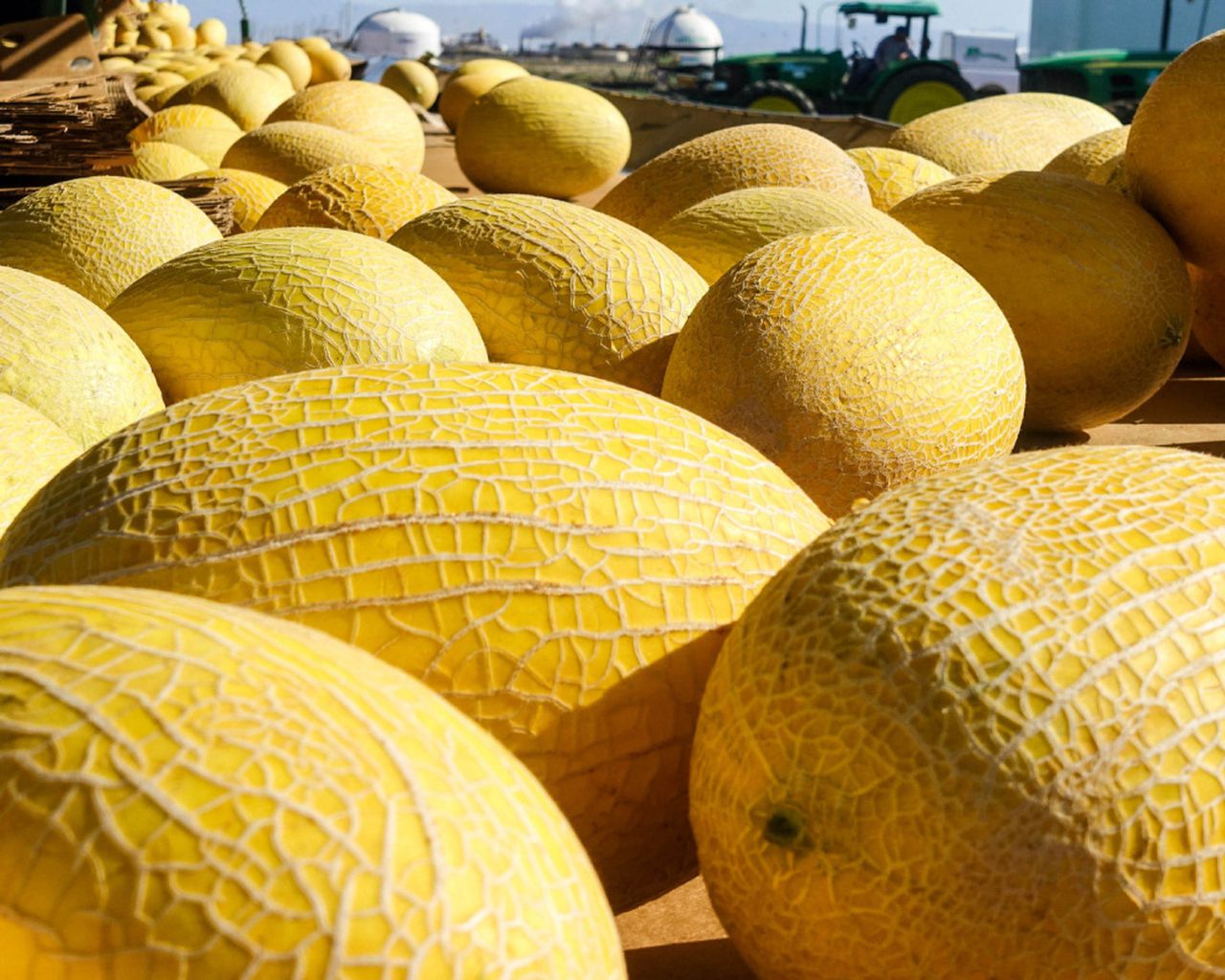
According to Agreste, "As of July 1, 2023, the first estimates of melon planted areas for the 2023 campaign are 12,470 ha, down 1% over one year and 5% on average for 2018-2022. Output, estimated at 273,370 tonnes, is down 8%, yet 2% higher than the 2018-2022 average. The drop in harvests is supported by a rise in imports (+3% over the first 5 months of 2023). Due to changing weather conditions, with insufficient supply at the start of the campaign, prices remain very high (64% higher in June than in 2022, and 30% higher than the 2018-2022 average)."

Major drop in national production, except for Central-Western France
According to estimates published on July 1, 2023, the area dedicated to melon cultivation (12,470 ha) for the 2023 campaign is down 1% year-on-year. The decline is likely to be most significant in the South-West basin (-2%). On a national scale, the decline is more pronounced in greenhouse areas (-4%). Melon harvests for the 2023 campaign are expected to reach 273,370 tonnes, down 8% on 2022. Compared to the 2018-2022 average, crops are expected to be higher (+2%), due to higher yields, mainly due to the presence of larger sizes. The campaign got off to an early start in the South-East basin, about ten days earlier than in 2022 due to warm spring temperatures.

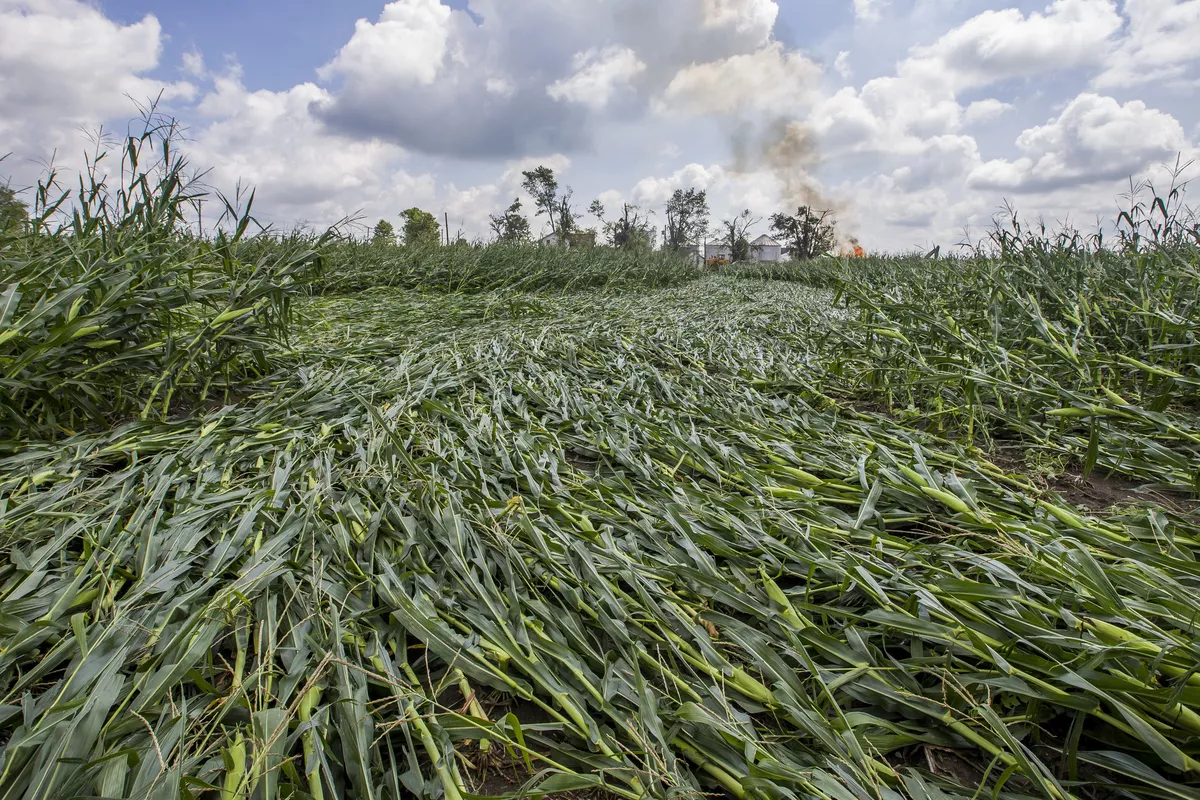
However, in this basin and the South-West basin, the weather proved to be unpredictable (lack of sunshine and frequent thunderstorms), impacting yields with a deterioration of the sanitary situation of melons (powdery mildew and downy mildew) and leading to a production slump. In the Centre-West, after 3 years of decline, the area surfaces are increasing slightly. A favorable weather forecast in May-June accelerated the vegetative development, but rainy episodes complicated the situation in June. However, in the end, production is expected to increase by 5% year-on-year, while remaining
well below the 2018-2022 average.

Source - https://www.freshplaza.com

20.01.2026

Maltese hailstorm damages vegetable crops in Rabat and Dingli

Farmers in Rabat and Dingli reported widespread crop damage following a sudden hailstorm that hit the area overnight on Saturday. 

20.01.2026

New Zealand - Storms cause $10m in crop losses

Arable growers are reeling from up to $10 million in crop losses after a trio of widespread hail storms whipped through Canterbury farms.

20.01.2026

Romania - Agra Asigurari launches the 2025-2026 agricultural season with solutions for unpredictable climate

Agra Asigurari, the national leader in agricultural insurance, is launching the new sales season for the 2025-2026 farming year. The announcement comes at a challenging time for Romanian farmers, marked by the intensification of extreme weather events, which are affecting crops earlier and earlier, causing considerable losses for farmers.

20.01.2026

USA - Federal Crop Insurance Changes Good for Producers

Two major changes are coming to federal crop insurance. There are two major changes to federal crop insurance.

20.01.2026

Payments by Azerbaijan Agricultural Insurance Fund 43% up in 2025

Last year, the Agricultural Insurance Fund of Azerbaijan paid farmers 9.147 million manats ($5.38 million) in insurance compensations.

20.01.2026

Ukraine launches state support for farmers’ agricultural insurance

The state budget for 2026 allocates ₴60M ($1.43M) for agricultural insurance assistance, the first time that this support has been offered. 

19.01.2026

FAO issues new guidance on food safety risks linked to climate mitigation chemicals in agriculture

As governments and agribusinesses race to curb greenhouse gas emissions while feeding a growing global population, the UN’s Food and Agriculture Organization (FAO) has released new guidance to help policymakers and industry assess food safety risks linked to emerging climate-mitigation chemicals used in agriculture.

19.01.2026

Indonesia pushes agricultural downstreaming to boost farmers’ income

Agriculture Minister Andi Amran Sulaiman has called on regional governments to accelerate downstreaming of local agricultural commodities - particularly coconuts, cashew nuts, and cocoa - to increase added value and raise farmers’ incomes.